
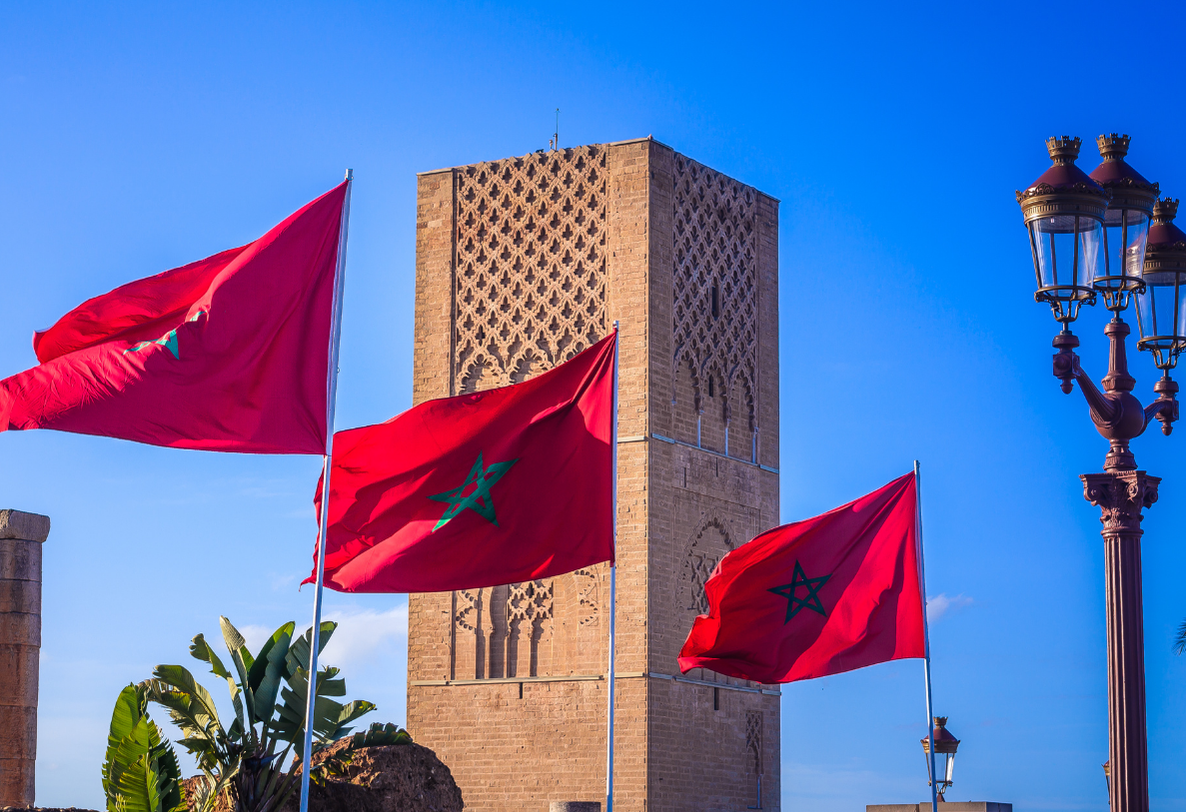
Morocco is a captivating country that seamlessly blends traditional and modern elements, offering a diverse range of activities and experiences for travelers. From exploring vibrant cities to relaxing in serene countryside, Morocco’s rich cultural heritage is a treasure trove waiting to be discovered.
With its magical medinas and stunning natural landscapes, Morocco has something for everyone. Whether you’re interested in history, culture, or adventure, this North African country is a must-visit destination.
Key Takeaways
- Explore Morocco’s vibrant cities and rich cultural heritage
- Relax in the serene countryside and enjoy the stunning natural landscapes
- Discover the magical medinas and experience the local cuisine
- Visit Morocco for a mix of history, culture, and adventure
- Morocco is a must-visit destination for travelers
- Our Tours from Casablanca Click Here >>>>
- From Marrakech Click Here >>>>
- From Rabat Click Here >>>>
- From Meknes Click Here >>>>
- From Fes Click Here >>>>
- From Tangier Click Here >>>>
- From Ouarzazate Click Here >>>>
- From Errachidia Click Here >>>>
- From Merzouga Desert Click Here >>>>
Discovering Morocco‘s Rich Cultural Heritage
Morocco’s cultural heritage is a vibrant tapestry woven from the threads of its history, geography, and diverse cultural influences. This rich cultural identity is reflected in various aspects of Moroccan life, from its stunning architecture to its delectable cuisine.
The Vibrant History of the Kingdom
The history of Morocco is a long and complex one, with various dynasties and empires having left their mark on the country. From the ancient Roman ruins to the Islamic monuments, Morocco’s historical landmarks are a testament to its diverse cultural heritage. The Alawite dynasty, which has ruled Morocco since the 17th century, has played a significant role in shaping the country’s cultural identity.
Morocco’s Unique Blend of Arab, Berber, and European Influences
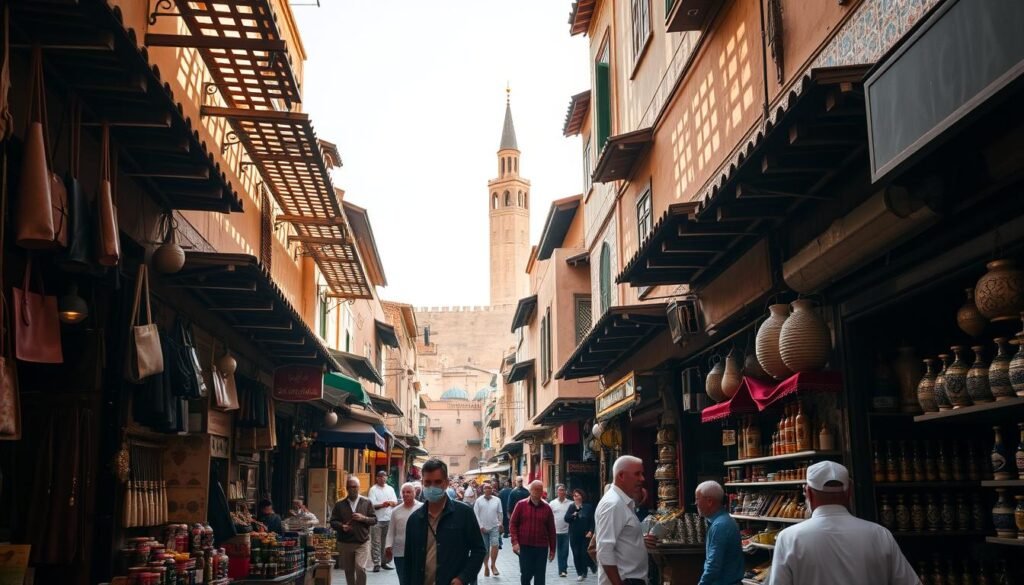
Morocco’s cultural landscape is characterized by a unique blend of Arab, Berber, and European influences. The country’s strategic location has made it a crossroads for various cultures, resulting in a rich cultural diversity. This blend is evident in Moroccan cuisine, with popular dishes like tagines and couscous showcasing the country’s culinary diversity.
| Cultural Influence | Examples |
|---|---|
| Arab | Islamic architecture, Arabic language |
| Berber | Traditional clothing, Berber languages |
| European | Colonial architecture, European cuisine influences |
“Morocco is a country where tradition and modernity coexist in a vibrant cultural tapestry.”
Explore the Magical Medinas of Fez and Marrakech
Morocco’s medinas are a treasure trove of history, culture, and architecture, with Fez and Marrakech standing out as must-visit destinations. These ancient cities are the heart of Morocco’s cultural heritage, offering visitors a glimpse into the country’s rich past.
Fez Medina: The World’s Largest Car-Free Urban Area
The Fez Medina, a UNESCO World Heritage site, is the world’s largest car-free urban area, boasting over 9,000 alleyways to explore. Visitors can get lost in the narrow streets, discovering hidden gems and historic landmarks.
Navigating the 9,000+ Alleyways
Navigating the Fez Medina can be a challenge, but it’s part of the adventure. Guided tours can help visitors make sense of the labyrinthine streets, while local guides can provide insights into the history and culture.
Historic Madrasas and Foundouks
The Fez Medina is home to numerous historic madrasas and foundouks, showcasing the city’s rich architectural heritage. These ancient buildings are a testament to the craftsmanship and artistry of Moroccan builders.
Marrakech’s Jemaa el-Fnaa: A Sensory Overload
Marrakech’s Jemaa el-Fnaa is a sensory overload, with its vibrant atmosphere, street performers, and local cuisine. Visitors can experience the square in different ways, from daytime shopping to nighttime entertainment.
Daytime vs. Nighttime Experiences
Jemaa el-Fnaa transforms from a bustling marketplace during the day to a lively entertainment hub at night. Visitors can enjoy traditional Moroccan cuisine and watch street performers under the stars.
Surrounding Souks and Attractions
The area surrounding Jemaa el-Fnaa is filled with souks and attractions, offering something for everyone. From traditional crafts to local snacks, visitors can immerse themselves in the local culture.
Wander Through the Blue Streets of Chefchaouen
Chefchaouen, affectionately called the Blue City, is a hidden gem in Morocco’s rugged landscape. This enchanting town is nestled in the Rif Mountains, offering a serene escape from the bustling cities. The town’s blue-painted buildings and narrow streets make it a photographer’s paradise.
The History Behind the Blue City
The town’s blue hue is not just aesthetically pleasing; it has a rich history. According to local legend, the blue paint was introduced by Jewish refugees from Spain in the 1930s. The color is believed to symbolize the heavens and spirituality. As Chefchaouen continues to attract visitors worldwide, its unique blend of cultures and history remains a significant draw.
“The blue color is a symbol of the sky and heaven, and it brings a sense of peace and tranquility to the town.”
Best Photo Spots and Hidden Corners
Visitors to Chefchaouen can explore numerous photo spots and hidden corners. The Kasbah, with its historic walls and gardens, offers a glimpse into the town’s past. The Spanish Mosque, perched on a hill, provides panoramic views of the blue town and the surrounding mountains. As you wander through the narrow streets, you’ll discover quaint corners and vibrant street art that make Chefchaouen so unique.
- The Kasbah and its beautiful gardens
- The Spanish Mosque for panoramic views
- Narrow streets with blue-washed houses
Experience the Sahara Desert on a Camel Trek
Embark on an unforgettable journey through the Sahara Desert with a camel trek that will leave you in awe of nature’s splendor. The Sahara Desert, one of the world’s most iconic landscapes, offers an adventure like no other.
Merzouga and Erg Chebbi Dunes
The Erg Chebbi Dunes, located near Merzouga, are a must-visit destination for any desert enthusiast. As you trek through the sand on camelback, the majestic dunes rise before you, creating a breathtaking landscape.
Overnight Stays in Desert Camps Under the Stars
After a day of exploring, relax in a desert camp under the starry sky. These camps offer a unique opportunity to experience the tranquility of the desert.
Berber Music and Cultural Exchanges
Enjoy Berber music and engage in cultural exchanges with the local community. This enriching experience allows you to learn about the traditions and customs of the Berber people.
Stargazing in the Desert
The Sahara Desert’s clear skies make it an ideal location for stargazing. Lie back and marvel at the constellations twinkling above, a truly unforgettable experience.
Visit the Ancient Roman Ruins of Volubilis
Morocco is home to numerous historical sites, but few are as fascinating as the ancient Roman ruins of Volubilis. Located near the city of Meknes, Volubilis is an archaeological site that showcases the rich history of the Roman Empire in Morocco.
The Historical Significance of Volubilis
Volubilis is considered one of the best-preserved Roman archaeological sites in North Africa. The site provides a unique glimpse into the history of the Roman Empire and its influence on the region. Declared a UNESCO World Heritage site, Volubilis is a must-visit destination for history enthusiasts.
Must-See Mosaics and Structures
Visitors to Volubilis can marvel at the stunning mosaics and well-preserved structures, including the Capitol, Basilica, and Triumphal Arch. The site’s intricate mosaics are particularly noteworthy, featuring elaborate designs and patterns that reflect the artistic skill of the ancient Romans.
Hike the Spectacular Atlas Mountains
The Atlas Mountains are a hiker’s paradise, with trails that cater to all skill levels. Whether you’re a seasoned trekker or a casual walker, the Atlas Mountains offer a unique and unforgettable hiking experience.
Toubkal National Park and Summit Opportunities
Toubkal National Park is a must-visit destination for hikers. The park is home to Jbel Toubkal, the highest peak in North Africa, and offers several trails with breathtaking views. Hikers can choose from a range of routes, from easy day hikes to more challenging multi-day treks.
Berber Villages and Cultural Encounters
The Atlas Mountains are home to several Berber villages, where visitors can experience the local culture and way of life. Hikers can stay with Berber families, learn about traditional crafts, and enjoy the warm hospitality of the local people.
Homestays with Local Families
Staying with a Berber family is a great way to immerse yourself in the local culture. You’ll have the opportunity to share meals, learn about traditional customs, and enjoy the warm hospitality of your hosts.
Traditional Crafts and Customs
The Berber people are known for their traditional crafts, including weaving, pottery, and jewelry-making. Visitors can learn about these crafts and see them being made in local villages.
| Hike | Distance | Difficulty |
|---|---|---|
| Jbel Toubkal Summit | 12 km | Challenging |
| Berber Village Trail | 8 km | Moderate |
| Aït Bouguemez Valley | 15 km | Easy |
Best Things to Do in Morocco for Food Lovers
Morocco is a paradise for food lovers, offering a rich culinary experience that blends Arab, Berber, and European flavors. The country’s cuisine is characterized by its use of fresh ingredients, aromatic spices, and traditional cooking methods.
Essential Moroccan Dishes to Try
Moroccan cuisine is known for its diverse and flavorful dishes. Some of the must-try foods include:
- Tagines: slow-cooked stews named after the clay pots in which they are cooked.
- Couscous: a traditional North African dish made from semolina flour.
- Street food: from grilled meats to fried doughnuts.
Tagines and Couscous Variations
Tagines are a staple of Moroccan cuisine, with variations that include chicken, beef, and vegetable options. Couscous is another fundamental dish, often served with vegetables and meat. The variations of these dishes are endless, reflecting the regional diversity of Morocco.
Street Food and Sweet Treats
Moroccan street food is a reflection of the country’s cultural melting pot. From savory snacks like msemen (square-shaped pancakes) to sweet treats like baklava and ghriba, there’s something for every palate.
Cooking Classes and Food Tours
To truly experience Moroccan cuisine, consider participating in a cooking class or food tour. These experiences offer a hands-on approach to learning about the country’s culinary traditions.
Marrakech Culinary Experiences
Marrakech is a hub for culinary experiences, with numerous cooking schools and food tour operators. Visitors can learn to prepare traditional dishes like tagines and couscous, and explore the local markets.
Rural Cooking Traditions
For a more authentic experience, consider visiting rural areas where traditional cooking methods are still practiced. This is a great way to learn about the local ingredients and cooking techniques.
Shop in Traditional Souks and Markets
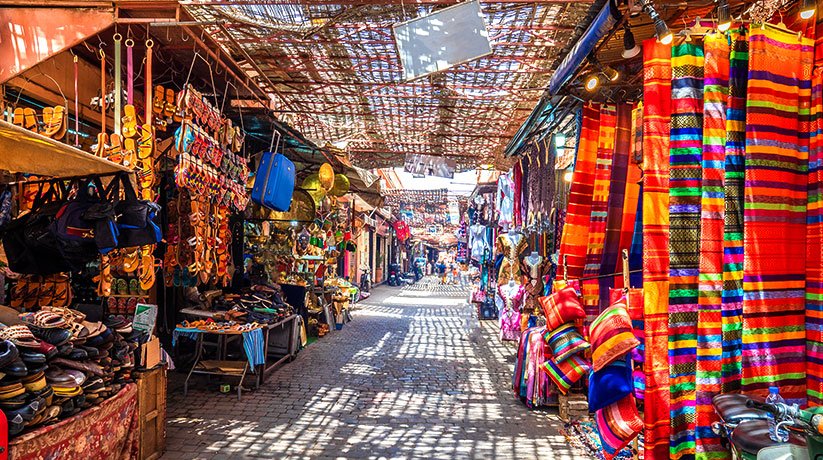
The traditional souks and markets of Morocco offer a unique shopping adventure. Visitors can explore the vibrant stalls, interact with local vendors, and find authentic souvenirs.
Navigating Morocco’s Bustling Marketplaces
Navigating the souks can be overwhelming, but with a few tips, you can make the most of your shopping experience. Start by getting familiar with the layout of the souk and identifying the different sections. Don’t be afraid to ask for directions or guidance from the locals.
Haggling Tips and What to Buy
Haggling is an essential part of shopping in Moroccan souks. Start by researching the market prices for the items you’re interested in, and be prepared to negotiate. Some popular items to buy include carpets and textiles, leather goods, and metalwork.
Carpets and Textiles
Moroccan carpets and textiles are renowned for their vibrant colors and intricate patterns. Look for traditional Berber designs and high-quality materials.
Leather Goods and Metalwork
Morocco is famous for its leather goods, including handbags, shoes, and belts. Metalwork, such as intricately designed lanterns and jewelry, is also a popular choice among tourists.
By following these tips and being mindful of your surroundings, you can have a successful and enjoyable shopping experience in Morocco’s traditional souks and markets.
Relax in a Traditional Moroccan Hammam
A visit to Morocco is incomplete without experiencing the rejuvenating bliss of a traditional Hammam. This ancient ritual, deeply rooted in Moroccan culture, offers a unique blend of relaxation and cultural immersion.
The Cultural Significance of Hammams
The Hammam is more than just a spa; it’s a cultural institution that has been a cornerstone of Moroccan life for centuries. It serves as a social hub where locals gather to relax, socialize, and rejuvenate. The cultural significance of Hammams is evident in their architecture and the rituals performed within them.
What to Expect During Your First Visit
During your first visit to a Hammam, you can expect a thorough scrubbing and massage, typically performed by a skilled attendant. The experience usually begins with a warm-up session in a steam room, followed by a black soap treatment and a gentle exfoliation. Here are some key aspects to anticipate:
- A warm welcome and guidance through the Hammam rituals
- A thorough cleansing and scrubbing process
- A relaxing massage to ease any tension
Explore Morocco’s Atlantic and Mediterranean Coastlines
Exploring Morocco’s coastlines reveals a world of adventure, culture, and breathtaking landscapes. The country’s extensive coastline along the Atlantic Ocean and the Mediterranean Sea is home to vibrant cities, serene beaches, and historical sites.
Essaouira: The Windy City and Beach Paradise
Essaouira, known for its windy conditions, is a haven for surfers and beach lovers alike. The town’s ramparts, built in the 18th century, offer a glimpse into its rich history.
Surfing and Water Sports
Essaouira is renowned for its consistent winds and waves, making it an ideal spot for surfing, kitesurfing, and windsurfing. Visitors can enjoy:
- Surfing lessons for all levels
- Kitesurfing and windsurfing rentals
- Beach activities like beach volleyball and yoga
Fresh Seafood and Harbor Life
The local seafood in Essaouira is a highlight, with an array of fresh fish and seafood dishes available at the town’s restaurants. A visit to the harbor offers a chance to see the local fishing community at work.
Tangier and the Meeting Point of Two Seas
Tangier, located at the western entrance to the Strait of Gibraltar, is a city with a rich history and cultural significance. It has been influenced by various cultures, including Arab, Berber, and European.
Historical International Zone
Tangier’s historical international zone is a fascinating area that reflects the city’s past as an international hub. Visitors can explore the:
- Kasbah Museum
- American Legation Museum
- Historic buildings and architecture
Day Trips to Nearby Beaches
The area around Tangier offers several beautiful beaches and natural attractions that are perfect for day trips. Some popular destinations include:
- Plage de la Corniche
- Cap Spartel
Morocco’s coastlines offer a diverse range of experiences, from the laid-back atmosphere of Essaouira to the historical and cultural richness of Tangier. Whether you’re interested in water sports, local cuisine, or exploring historical sites, the coastal regions of Morocco have something to offer every traveler.
Visit Architectural Marvels and Historical Monuments
Morocco is a treasure trove of architectural marvels that reflect its rich history and cultural diversity. The country’s Moroccan architecture is a unique blend of Arab, Berber, and European influences, creating a rich tapestry of historical monuments.
Hassan II Mosque in Casablanca
One of the most iconic historical monuments in Morocco is the Hassan II Mosque, located in Casablanca. This magnificent mosque is not only a masterpiece of modern Islamic architecture but also a symbol of Moroccan craftsmanship, with intricate tile work and carved wood.
“The Hassan II Mosque is a testament to Moroccan ingenuity and architectural excellence.”
The Ancient Kasbahs and Ksars
Morocco is also home to numerous ancient Kasbahs and Ksars, fortified cities that date back to the medieval period. These structures not only showcase the military architecture of the time but also provide insights into the lives of the people who lived within their walls.
Ait Ben Haddou: A UNESCO World Heritage Site
Ait Ben Haddou, a Kasbah in southern Morocco, is a UNESCO World Heritage Site. Its earthen buildings, perched on a hilltop, are a striking example of traditional Moroccan architecture.
The Kasbah of the Udayas in Rabat is another significant historical site, offering breathtaking views of the Atlantic Ocean. Its Andalusian gardens and whitewashed buildings are a perfect representation of Moroccan architectural elegance.
Conclusion: Creating Unforgettable Memories in Morocco
Morocco is a country that seamlessly blends tradition and modernity, offering a diverse array of experiences that cater to different interests. From the vibrant cities of Marrakech and Fez to the serene countryside and majestic Sahara Desert, visitors can create unforgettable memories in Morocco.
The rich cultural heritage of Morocco is evident in its architecture, cuisine, and cultural practices. Visitors can immerse themselves in local cultural experiences by exploring the historic medinas, trying traditional cuisine, and interacting with the friendly locals.
Whether you’re interested in Morocco travel for adventure, relaxation, or cultural exploration, the country has something to offer. With its unique blend of Arab, Berber, and European influences, Morocco is a destination that will leave you with lasting memories and a deep appreciation for its cultural diversity.

No comment