
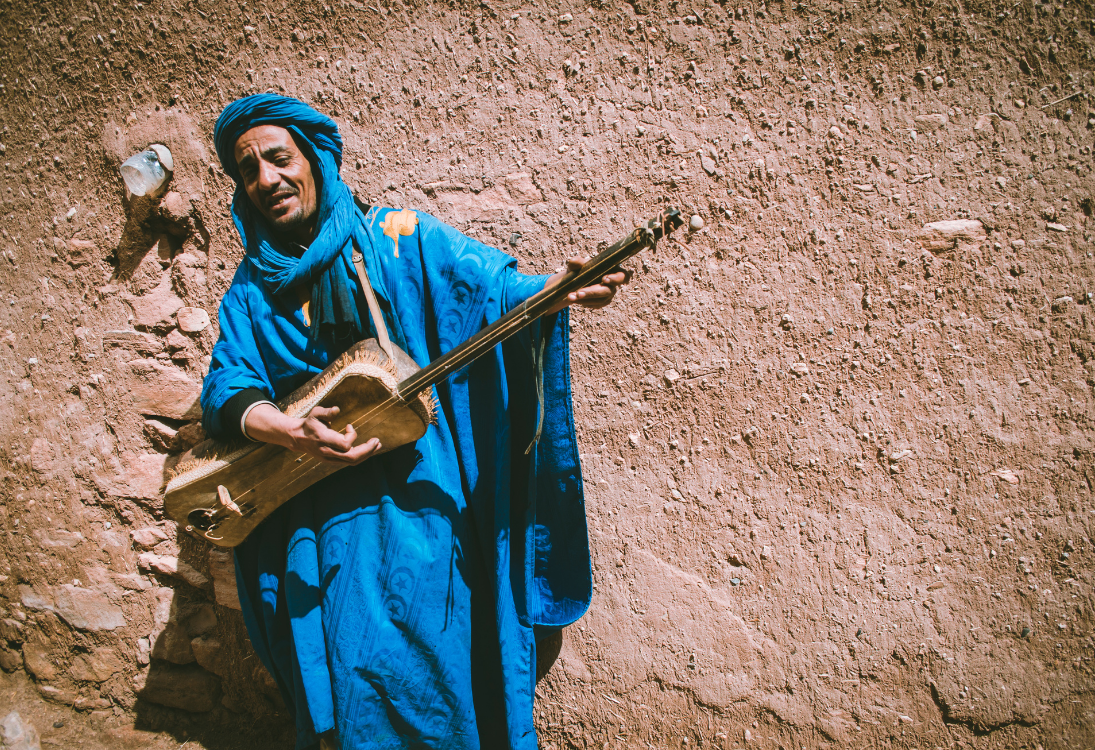
The rich cultural heritage of Morocco is vibrantly reflected in its traditional clothing, which is not just a form of attire but an expression of identity and history.
Traditional clothing in Morocco is a blend of diverse cultural influences, including Berber, Arab, and Andalusian elements, making it a unique aspect of Moroccan culture.
The significance of traditional clothing in Moroccan society is profound, representing cultural values and history.
Key Takeaways
- Moroccan culture is a rich blend of various influences.
- Traditional clothing is a significant aspect of cultural identity.
- Cultural heritage is preserved through traditional attire.
- Moroccan traditional clothing has historical significance.
- The blend of cultural influences makes Moroccan culture unique.
The Rich Cultural Heritage of Morocco
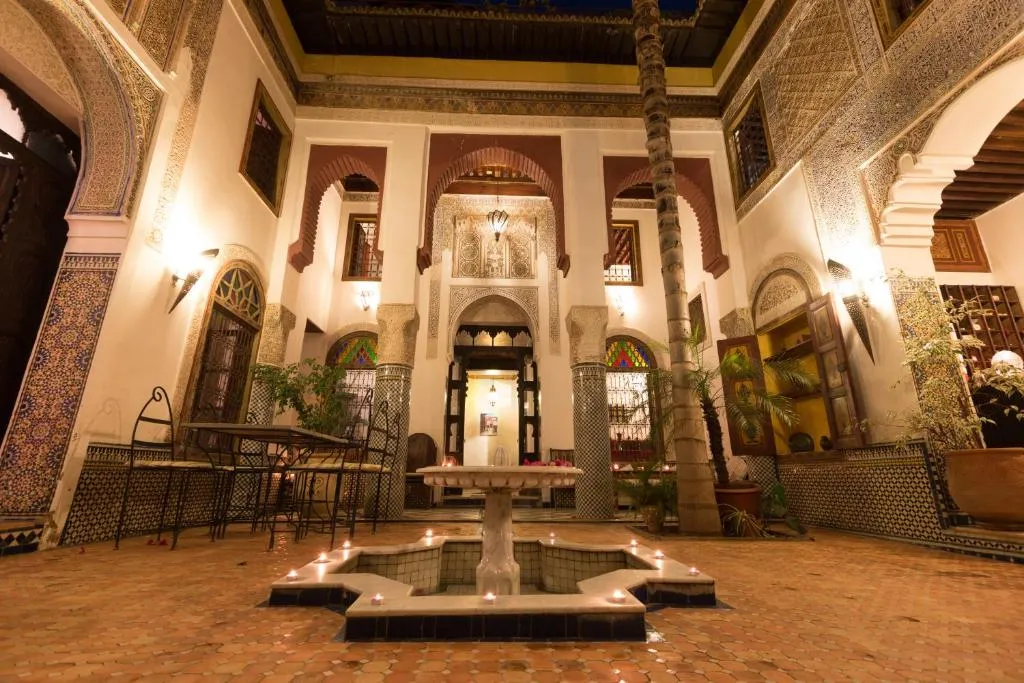
The rich cultural landscape of Morocco is shaped by its strategic position at the crossroads of Africa, Europe, and the Arab world. This unique geographical location has made Morocco a melting pot of various cultures, influencing its traditional costumes and customs.
A Melting Pot of Influences
Morocco’s cultural identity is a blend of different ethnic and cultural groups. The country’s history has been marked by the influx of various civilizations, each leaving its mark on the cultural fabric.
Berber, Arab, and Andalusian Contributions
The indigenous Berber communities have significantly contributed to Morocco’s cultural heritage. The Arab conquest introduced Islam and Arabic language, which have had a lasting impact. The Andalusian influence, resulting from the migration of Muslims from Spain, is evident in the architectural styles and cultural practices.
French and Spanish Colonial Impact
The French and Spanish colonial periods introduced European elements into Moroccan culture, particularly in education, architecture, and cuisine. This blend of European and traditional Moroccan elements is a distinctive feature of the country’s cultural landscape.
| Cultural Influence | Contribution to Moroccan Heritage |
|---|---|
| Berber | Indigenous traditions, language, and customs |
| Arab | Islam, Arabic language, and cultural practices |
| Andalusian | Architectural styles, cultural festivals, and cuisine |
| French and Spanish | European architectural styles, educational systems, and culinary influences |
The Significance of Tradition in Moroccan Society
Tradition plays a vital role in Moroccan society, with many cultural practices and customs being passed down through generations. The preservation of traditional attire, for instance, is a testament to the country’s rich cultural heritage and its people’s strong connection to their roots.
In conclusion, Morocco’s cultural heritage is a rich tapestry of various influences, reflecting the country’s historical and geographical significance. Understanding these cultural nuances is essential to appreciating the traditional costumes and customs that are an integral part of Moroccan identity.
Moroccan Costumes and Traditions: An Overview
Moroccan costumes and traditions are a vibrant reflection of the country’s rich cultural heritage. The traditional attire of Morocco is not just a form of clothing; it is a significant aspect of the country’s identity and cultural expression.
The Role of Clothing in Moroccan Identity
Clothing plays a crucial role in defining Moroccan identity. Traditional attire is often worn during special occasions and celebrations, highlighting its importance in Moroccan culture. The intricate designs and patterns on these garments are not just aesthetically pleasing but also carry cultural significance.
Regional Diversity in Traditional Attire
Morocco’s diverse regions showcase a wide range of traditional costumes. The differences are notable between urban and rural areas, as well as across various climates.
Urban vs. Rural Distinctions
Urban centers like Marrakech and Fez have their unique traditional attire, often influenced by the city’s historical and cultural background. In contrast, rural areas tend to have more practical clothing due to their lifestyle and work requirements.
Climate Adaptations in Clothing Design
The climate of different regions significantly influences clothing design. For instance, the hot desert regions require lightweight, breathable fabrics, while the colder mountainous areas necessitate thicker, warmer clothing.
| Region | Traditional Attire | Climate Influence |
|---|---|---|
| Urban | Intricately designed garments | Varied, depending on the city |
| Rural | Practical, durable clothing | Often warmer or more protective |
| Desert | Lightweight, breathable fabrics | Hot and sunny |
| Mountainous | Thicker, warmer clothing | Cold and snowy |
Traditional Men’s Clothing in Morocco
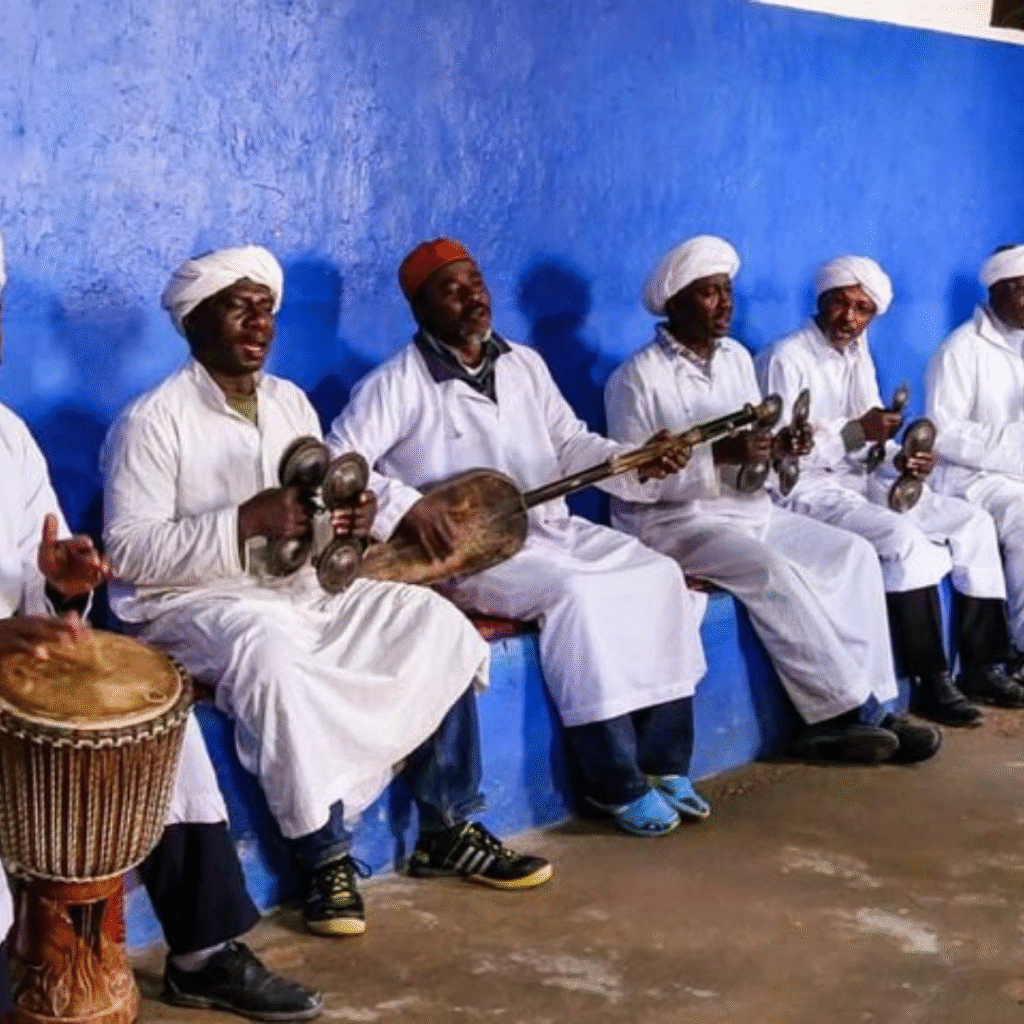
Moroccan men’s traditional clothing is a vibrant reflection of the country’s rich cultural heritage. The intricate designs, vibrant colors, and historical influences all come together to create a unique and fascinating aspect of Moroccan culture.
The Djellaba and Its Significance
The Djellaba is a long, hooded robe that is worn by men across Morocco. It is not only a practical garment but also holds significant cultural and historical importance. The Djellaba is often worn on special occasions and is a symbol of national pride.
The Fez Hat: Symbol of National Pride
The Fez hat, named after the city of Fez, is a traditional Moroccan hat that has become a symbol of national identity. It is typically made from felt or wool and is worn on formal occasions. The Fez hat is a testament to Morocco’s rich history and cultural heritage.
Ceremonial and Everyday Attire for Men
Men’s clothing in Morocco varies significantly between everyday wear and ceremonial attire. For special occasions, men often wear elaborate garments such as the Selham cloak.
The Selham Cloak for Special Occasions
The Selham cloak is a luxurious, embroidered cloak worn by men on special occasions such as weddings and religious celebrations. It is a symbol of status and prestige.
Traditional Footwear: Babouche Slippers
Babouche slippers are traditional Moroccan footwear made from leather. They are comfortable, elegant, and often decorated with intricate designs.
In conclusion, traditional men’s clothing in Morocco is a rich and diverse aspect of the country’s cultural heritage. From the Djellaba to the Fez hat, and from ceremonial attire to everyday wear, each garment holds significant cultural and historical importance.
Traditional Women’s Clothing in Morocco
The traditional clothing of Moroccan women is a vibrant reflection of the country’s rich cultural heritage. Moroccan women’s attire is characterized by its elegance, intricate designs, and the use of vibrant colors, reflecting the diverse influences and historical depth of the region.
The Kaftan: Elegance and Artistry
The Kaftan is a quintessential element of Moroccan women’s traditional clothing, embodying elegance and artistry. This long, flowing robe is often worn on special occasions and is renowned for its intricate embroidery and luxurious fabrics.
Evolution of the Kaftan Design
Over the centuries, the Kaftan has evolved, incorporating various cultural influences. From its origins to its current designs, the Kaftan has adapted, reflecting the changing tastes and traditions of Moroccan society.
Ceremonial vs. Everyday Kaftans
While ceremonial Kaftans are elaborate and ornate, everyday Kaftans are simpler, yet still elegant. The distinction between these two types highlights the versatility and significance of the Kaftan in Moroccan women’s daily life and celebrations.
The Haik and Djellaba for Women
In addition to the Kaftan, the Haik and Djellaba are also integral to traditional Moroccan women’s clothing. The Haik is a large piece of cloth used to cover the body, while the Djellaba is a long, hooded cloak. Both garments are practical and culturally significant.
Jewelry and Accessories in Women’s Attire
Jewelry and accessories play a crucial role in complementing traditional Moroccan women’s clothing. Intricately designed pieces, often made from silver and adorned with precious stones, are worn during ceremonies and special occasions, adding to the overall elegance of the attire.
| Garment | Description | Occasion |
|---|---|---|
| Kaftan | Long, flowing robe with intricate embroidery | Ceremonial and special occasions |
| Haik | Large piece of cloth used to cover the body | Everyday and ceremonial |
| Djellaba | Long, hooded cloak | Everyday wear |
“Moroccan traditional clothing is a reflection of the country’s rich history and cultural diversity.”
Regional Variations in Moroccan Dress
From the mountains to the desert, Morocco’s regional variations in dress are a testament to its rich cultural heritage. The country’s diverse geography has given rise to a wide range of traditional clothing styles, each reflecting the unique cultural, historical, and environmental contexts of its region.
Berber Costumes of the Atlas Mountains
The Berber communities of the Atlas Mountains have a distinct traditional dress that is both functional and symbolic. Their clothing often features intricate patterns and vibrant colors, reflecting their rich cultural heritage. As one Berber proverb says, “The dress is the mirror of the soul,” highlighting the importance of clothing in Berber culture.
Coastal and Urban Styles
In contrast to the mountainous regions, coastal and urban areas in Morocco have been influenced by a mix of traditional and modern styles. Cities like Marrakech and Fez showcase a blend of elegant and sophisticated attire, often incorporating elements of both Moroccan and international fashion trends.
Desert Traditions of the Saharan Regions
The Saharan regions of Morocco are home to various nomadic and semi-nomadic tribes, each with their unique desert traditions. The Tuareg people, in particular, have had a significant influence on the dress styles in southern Morocco.
Tuareg Influences in Southern Morocco
The Tuareg people’s traditional attire is characterized by indigo-dyed clothing and elaborate silver jewelry, reflecting their rich cultural identity.
Practical Adaptations for Desert Life
Desert clothing is designed to be practical and protective, often featuring loose-fitting garments that shield against the harsh desert sun and sand. As a Tuareg saying goes, “The desert is a vast ocean, and the clothing is the sail that protects you.”
Ceremonial Attire for Moroccan Celebrations
Ceremonial attire plays a significant role in Moroccan celebrations and traditions. The elaborate clothing worn during these events is not only a reflection of the country’s rich cultural heritage but also an expression of the community’s joy and festivity.
Wedding Costumes and Traditions
Moroccan weddings are renowned for their vibrant and elaborate attire. The bride’s clothing is particularly significant, with seven dress changes being a traditional part of the celebrations.
The Seven Dress Changes of the Moroccan Bride
The bride wears a different outfit for each stage of the wedding ceremony, showcasing a variety of traditional garments, including intricately embroidered kaftans and ornate jewelry. Each dress change symbolizes a different aspect of the bride’s transition into married life.
Groom’s Attire and Wedding Processions
The groom also wears ceremonial attire, typically a traditional djellaba and a fez hat, as he participates in the wedding processions. The attire is often adorned with decorative elements, signifying the importance of the occasion.
Festival and Religious Celebration Attire
Morocco’s religious and cultural festivals are also marked with special attire. During Eid celebrations, for instance, people wear their finest clothes, often new and elaborately decorated.
Eid Celebrations and Special Garments
The attire worn during Eid is a symbol of renewal and festivity, with many opting for traditional clothing in vibrant colors and intricate designs.
Moussem Festival Clothing Traditions
The Moussem festival, a celebration honoring a local saint or historical figure, features traditional clothing that reflects the region’s unique cultural heritage. Participants often wear clothing adorned with symbolic motifs and colors.
The Art of Moroccan Textile Craftsmanship
Textile craftsmanship in Morocco is renowned for its intricate patterns, vibrant colors, and traditional techniques. This rich art form has been a cornerstone of Moroccan culture for centuries, with various regions developing their unique styles and methods.
Traditional Weaving Techniques
Moroccan textiles are known for their high-quality weaving, which is achieved using traditional looms and techniques passed down through generations. Artisans skillfully weave wool, cotton, and silk to create beautiful fabrics that are both durable and aesthetically pleasing.
Embroidery and Decorative Arts
Embroidery is a significant aspect of Moroccan textile art, with intricate designs and patterns that often symbolize good fortune, prosperity, and happiness. The decorative arts in Moroccan textiles also include other techniques such as appliqué and mirror work, adding to the richness and diversity of the fabrics.
Regional Embroidery Styles
Different regions in Morocco have their distinct embroidery styles, reflecting local traditions and cultural influences. For example, the embroidery from the Atlas Mountains is known for its bold geometric patterns, while the coastal regions feature more floral motifs.
Symbolic Patterns and Motifs
The patterns and motifs used in Moroccan textiles are not just aesthetically pleasing but also carry symbolic meanings. Common motifs include the evil eye, which is believed to ward off bad luck, and geometric patterns that represent unity and harmony.
Dyeing Processes and Color Symbolism
The dyeing process is another crucial aspect of Moroccan textile craftsmanship. Natural dyes are often used, derived from plants, minerals, and insects, to achieve a wide range of colors. Each color has its symbolism; for instance, red symbolizes strength and vitality, while blue is associated with protection and spirituality.
| Color | Symbolism |
|---|---|
| Red | Strength, Vitality |
| Blue | Protection, Spirituality |
| Green | Prosperity, Fertility |
Music and Dance Traditions of Morocco
From the bustling streets of Marrakech to the serene Sahara, Morocco’s music and dance traditions are a true reflection of its diverse cultural identity.
Traditional Instruments and Musical Styles
Moroccan music is characterized by its rich diversity, incorporating various traditional instruments and styles. The oud and qraqeb are among the instruments that add unique flavors to Moroccan music.
Andalusian Classical Music Heritage
The Andalusian classical music heritage is a significant part of Morocco’s musical identity, with its roots tracing back to the Islamic Golden Age. This classical tradition is known for its poetic lyrics and intricate musical compositions.
Gnawa and Folk Music Traditions
Gnawa music, with its African influences, is another vital component of Moroccan musical culture. It is characterized by its soulful rhythms and is often performed during cultural celebrations.
Dance Forms and Their Cultural Significance
Moroccan dance forms are as diverse as its music, with each region having its unique styles and traditions. Dance plays a crucial role in cultural and social gatherings.
Ahwash and Collective Celebrations
Ahwash is a traditional dance form that involves collective participation, often performed during festivals and celebrations. It symbolizes community bonding and cultural heritage.
Costume Elements in Traditional Dance
Costumes play a significant role in Moroccan dance, with intricate designs and colors that reflect the country’s rich cultural tapestry. The attire worn during performances is often symbolic, representing various aspects of Moroccan identity.
As we explore the depths of Moroccan music and dance, it becomes clear that these traditions are not just forms of entertainment but are deeply ingrained in the country’s cultural fabric, reflecting its history, diversity, and communal spirit.
Culinary Traditions and Hospitality Customs
In Morocco, food is not just a meal, it’s an experience that brings people together, embodying the spirit of hospitality. The country’s culinary traditions are deeply intertwined with its cultural identity and are characterized by a rich diversity of flavors and dishes.
The Moroccan Tea Ceremony
The Moroccan tea ceremony is a cornerstone of hospitality in Morocco. It’s a ritual that involves the preparation and serving of tea, typically made with green tea leaves, fresh mint, and sugar. This ceremony is not just about drinking tea; it’s an expression of respect and friendship. As Ahmed Yachfou, a renowned Moroccan food critic, once said, “Tea is the lifeblood of Moroccan hospitality, a symbol of generosity and warmth.”
Feast Traditions and Communal Dining
Moroccan cuisine is also known for its elaborate feasts, which are central to many celebrations and gatherings. Communal dining is a significant aspect of these feasts, where food is shared among family and friends, fostering a sense of community and togetherness.
Clothing Etiquette During Meals
During meals, Moroccans pay attention to clothing etiquette, dressing modestly and neatly as a sign of respect for the occasion and the company. Traditional attire such as the djellaba is commonly worn during special occasions.
Festival Foods and Associated Customs
Morocco celebrates various festivals throughout the year, each associated with specific traditional foods. For example, during Eid al-Fitr, families gather to share meals and sweets, marking the end of Ramadan.
Moroccan culinary traditions and hospitality customs are a reflection of the country’s rich cultural heritage, emphasizing the importance of community, respect, and generosity.
Moroccan Cultural Influence on Global Fashion
The rich cultural tapestry of Morocco has been making waves in the global fashion industry, inspiring designers with its vibrant colors and intricate patterns. Moroccan cultural influence has been evident in various aspects of global fashion, from haute couture to streetwear.
Moroccan-Inspired Designs in International Fashion
Moroccan-inspired designs have been featured prominently in international fashion shows, with designers incorporating traditional Moroccan elements such as intricate embroidery, vibrant colors, and exotic patterns into their collections. Designers like Yves Saint Laurent and Jean Paul Gaultier have been inspired by Moroccan culture, incorporating its unique elements into their designs.
Contemporary Adaptations of Traditional Elements
Contemporary designers have been adapting traditional Moroccan elements to create modern, stylish pieces that appeal to a global audience. For instance, the traditional Moroccan kaftan has been reimagined in various forms, from flowing evening gowns to more structured, modern silhouettes.
Celebrity Adoption of Moroccan Style
Celebrities have also been embracing Moroccan style, with many incorporating traditional Moroccan elements into their wardrobes. For example, celebrities like Jennifer Lopez and Naomi Campbell have been spotted wearing Moroccan-inspired outfits on the red carpet.
Sustainable Fashion Inspired by Moroccan Crafts
Moroccan crafts have also been influencing sustainable fashion, with many designers incorporating traditional Moroccan craftsmanship into their designs. This not only helps to preserve traditional Moroccan crafts but also promotes sustainable fashion practices.
| Moroccan Element | Contemporary Adaptation | Designer Example |
|---|---|---|
| Intricate Embroidery | Embroidered Denim Jackets | Gucci |
| Vibrant Colors | Colorful Knitwear | Alexander McQueen |
| Exotic Patterns | Patterned Scarves | Alexander McQueen |
Conclusion
Moroccan costumes and traditions are a vibrant representation of the country’s rich cultural heritage. Throughout this article, we have explored the diverse influences, regional variations, and cultural significance of traditional attire in Morocco. From the intricate patterns of the Kaftan to the symbolic Fez hat, each element plays a crucial role in defining Moroccan identity.
The preservation of these cultural traditions is essential, not only for maintaining national pride but also for promoting cross-cultural understanding and appreciation. As Moroccan culture continues to influence global fashion, it is crucial to respect and honor the heritage from which it originates.
By embracing and celebrating Moroccan costumes and traditions, we can foster a deeper appreciation for the country’s history, artistry, and people. As we look to the future, it is clear that the cultural heritage of Morocco will remain a vital part of its identity, shaping both local and global cultural landscapes.

No comment