
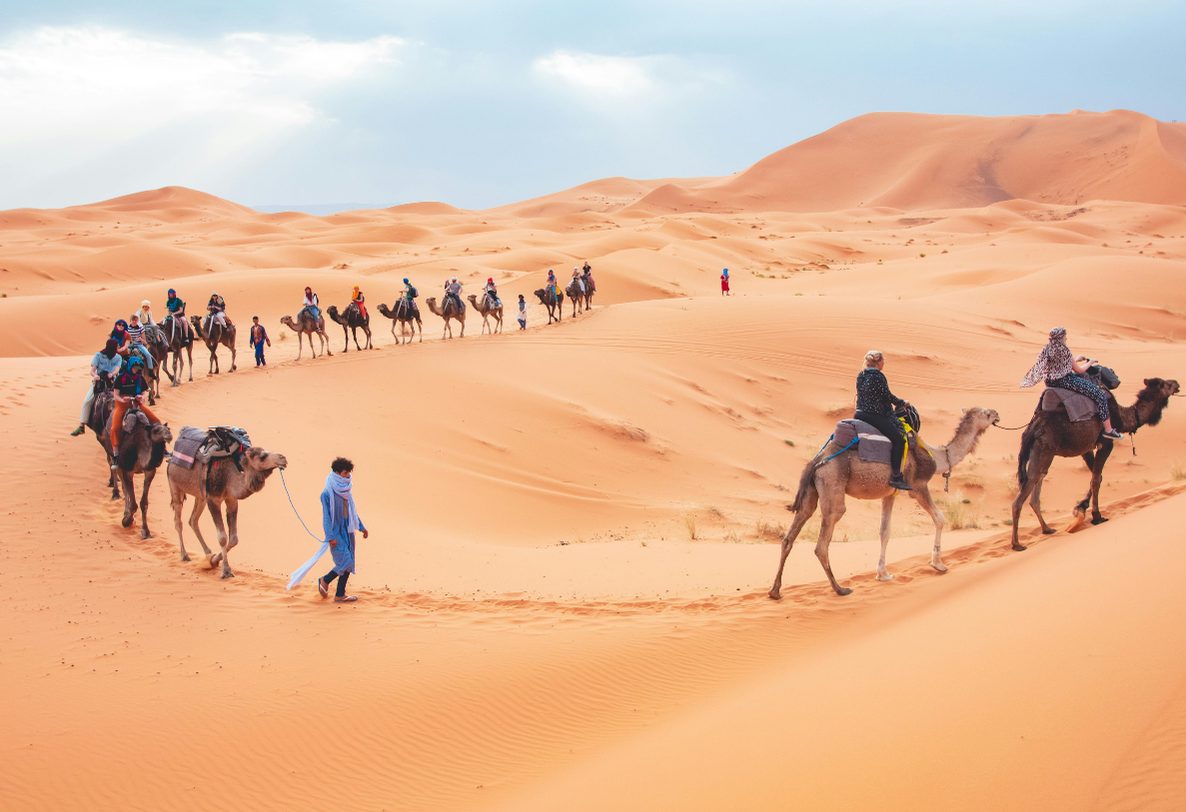
The Merzouga Desert, known for its breathtaking sand dunes and vibrant cultural experiences, is a destination that beckons many travelers. As you plan your trip, safety is likely a top concern. Traveling to Merzouga can be a rewarding experience, with opportunities to explore the Sahara Desert’s majestic landscapes and engage with local communities.
Understanding the importance of desert travel tips can significantly enhance your journey. From navigating the dunes to respecting local customs, being informed is key to a successful trip. This article aims to provide you with the necessary insights to travel confidently to Merzouga, ensuring a memorable and safe adventure.
Key Takeaways
- Understanding local customs and traditions
- Navigating the Sahara Desert safely
- Essential desert travel tips for a smooth journey
- Respecting the environment and local communities
- Preparing for the challenges of desert travel
The Magical Merzouga Desert: An Overview
Nestled in the heart of Morocco, the Merzouga Desert is a breathtaking destination that captivates travelers with its vast expanses of golden sand. This enchanting desert landscape is characterized by its unique geographic features, making it a standout location for desert adventures.
Location and Geographic Features
The Merzouga Desert is located in the southeastern part of Morocco, near the Algerian border. It is part of the larger Sahara Desert, and its most distinctive feature is the Erg Chebbi, a massive field of sand dunes that stretches across the landscape. The Erg Chebbi Dunes rise to heights of over 150 meters, creating a dramatic and picturesque scenery.
The Erg Chebbi Dunes
The Erg Chebbi Dunes are the main attraction in the Merzouga Desert, drawing visitors with their majestic beauty and vastness. These dunes are not just visually stunning; they also offer a range of activities such as camel trekking, sandboarding, and camping under the stars. The ever-changing landscape of the dunes, shaped by the wind and sand, provides a unique experience for each visitor.
Why Travelers Are Drawn to Merzouga
Travelers are drawn to Merzouga for its unparalleled desert adventure opportunities. The combination of the Erg Chebbi Dunes, the tranquil desert nights, and the rich cultural heritage of the region makes Merzouga an unforgettable destination. Visitors can immerse themselves in the local Berber culture, enjoy the serene beauty of the desert, and participate in a variety of adventure activities that make for a truly memorable experience.
Overall, the Merzouga Desert is a magical place that offers a unique blend of natural beauty, adventure, and cultural richness, making it a must-visit destination for any traveler to Morocco.
Is Merzouga Desert Safe for Traveling?
Is the Merzouga Desert a safe haven for travelers, or are there risks to be aware of? The Merzouga Desert, known for its breathtaking Erg Chebbi dunes, attracts numerous travelers each year. Understanding its safety status is crucial for a worry-free trip.
Current Safety Status and Statistics
The current safety status of Merzouga Desert is generally considered stable. According to recent safety statistics, the crime rate in the Merzouga region is low, with most incidents being minor. Tourists are rarely targeted, and the local authorities are proactive in maintaining security.
Official travel advisories often categorize Merzouga as a safe area, with the usual precautions recommended. Visitors can feel relatively secure while exploring the desert landscapes and local communities.
Safety Comparison with Other Moroccan Destinations
Compared to other Moroccan destinations, Merzouga Desert is considered relatively safe. The table below provides a comparison of safety statistics between Merzouga and other popular destinations in Morocco.
| Destination | Crime Rate | Safety Rating |
|---|---|---|
| Merzouga Desert | Low | 8/10 |
| Marrakech | Moderate | 7/10 |
| Fez | Moderate | 7.5/10 |
| Rabat | Low | 8.5/10 |
Common Myths vs. Reality
Several myths surround travel to Merzouga Desert. One common misconception is that the desert is inherently dangerous due to its remote location. However, with proper planning and guidance, visitors can have a safe and enjoyable experience.
Reality shows that Merzouga is a welcoming destination with a strong focus on tourism, contributing to its safety.
By understanding the facts and being aware of the potential risks, travelers can make informed decisions about their trip to Merzouga Desert.
Natural Hazards and How to Prepare
The Merzouga Desert, known for its breathtaking Erg Chebbi dunes, poses several natural hazards that travelers must be prepared for. Understanding these hazards is crucial for a safe and enjoyable journey.
Extreme Temperature Fluctuations
The Merzouga Desert is known for its extreme temperature fluctuations, which can be challenging for travelers. Temperatures can soar during the day and drop significantly at night. To prepare, travelers should pack layers of clothing suitable for both hot and cold conditions. It’s also essential to stay hydrated by drinking plenty of water throughout the day.
Sandstorms and Visibility Issues
Sandstorms are a common occurrence in the Merzouga Desert, reducing visibility and making navigation challenging. Travelers should be prepared with protective gear such as goggles and masks. It’s also advisable to stay informed about weather conditions and have a plan in place in case of a sandstorm.
Terrain Challenges and Navigation
The terrain in the Merzouga Desert can be challenging, with vast expanses of sand dunes and rocky areas. To navigate safely, travelers should use reliable navigation tools such as GPS devices and maps. It’s also recommended to travel with an experienced guide who is familiar with the terrain.
By understanding the natural hazards of the Merzouga Desert and taking necessary precautions, travelers can ensure a safe and memorable experience in this breathtaking landscape.
Health Considerations for Desert Travel
As you prepare for your trip to the Merzouga Desert, understanding the health considerations is key to a successful and enjoyable journey. The desert environment poses unique health challenges, including dehydration and sun exposure, which can be mitigated with proper precautions.
Dehydration Prevention Strategies
Dehydration is a significant risk in the desert due to the extreme heat and dryness. To prevent dehydration, it’s essential to drink plenty of water throughout the day. Travelers should aim to drink at least 3-4 liters of water per day, and consider packing hydration packs or water bottles that can be refilled regularly.
“The key to staying hydrated is to drink water frequently, even before you feel thirsty,” advises Dr. Maria Rodriguez, a travel health expert. “It’s also crucial to avoid strenuous activities during the hottest part of the day.”
Sun Exposure Protection
Protecting yourself from the sun’s intense rays is vital in the desert. Use a broad-spectrum sunscreen with a high SPF, and reapply every two hours or after sweating. Wearing protective clothing, including a hat and sunglasses, can also help prevent sunburn and heat stroke.
Common Health Issues and Available Medical Facilities
While dehydration and sun exposure are the most common health issues in the desert, other concerns such as sandstorms and extreme temperatures can also impact health. Fortunately, the Merzouga region has basic medical facilities that can handle emergencies. It’s still important for travelers to have travel insurance that covers medical evacuations, in case of serious health issues.
By being aware of these health considerations and taking necessary precautions, travelers can enjoy a safe and memorable trip to the Merzouga Desert.
Transportation Safety to and Around Merzouga
The journey to Merzouga Desert is as breathtaking as the destination, but it requires careful consideration of transportation safety. Understanding the various transportation options and their safety aspects is crucial for a hassle-free trip.
Road Conditions and Driving Considerations
The road to Merzouga is generally well-maintained, but the desert terrain can be challenging. Drivers should be prepared for rugged paths and potential sandstorms that might reduce visibility.
Public Transportation Options
Public transportation to Merzouga is available but limited. Tourists often prefer private transfers or guided tours for convenience and safety.
Camel and 4×4 Safety
Camel trekking and 4×4 safaris are popular activities. Ensuring that the camel trek or 4×4 tour is operated by a reputable company with safety measures in place is vital.
Key Safety Tips:
- Always wear a helmet during camel rides.
- Ensure the 4×4 vehicle is equipped with safety features like seatbelts.
- Follow the guide’s instructions during the tour.
Essential Safety Gear and Packing List
When venturing into the Merzouga Desert, it’s crucial to pack the right gear to ensure a safe and enjoyable trip. The desert environment can be harsh, with extreme temperatures and limited resources.
Desert-Appropriate Clothing
Packing the right clothing is vital for desert travel. Lightweight, breathable clothing that covers your skin is essential for protecting against the sun and sand. A scarf or bandana can also be useful for shielding your face from sandstorms. Sturdy, comfortable shoes are a must for walking on the dunes.
Hydration and Food Supplies
Staying hydrated is critical in the desert. Bring a water filter or purification tablets to ensure access to safe drinking water. Pack non-perishable, high-energy foods such as nuts, dried fruits, and energy bars. A portable stove or camping equipment can also be useful for preparing meals.
Navigation and Communication Tools
A GPS device or compass is essential for navigating the vast desert landscape. Bring a fully charged mobile phone with a solar charger or backup battery. A two-way radio can also be useful for staying in touch with your group.
By packing these essential items, travelers can ensure a safe and enjoyable journey through the Merzouga Desert.
Best Times to Visit for Safe and Comfortable Travel
The Merzouga Desert, with its vast dunes, is a destination that requires careful timing to ensure a comfortable and safe journey. Understanding the seasonal weather patterns is crucial for planning your trip.
Seasonal Weather Patterns
Merzouga experiences extreme temperature fluctuations throughout the year. The winter months (December to February) can be quite cold, especially at night, while the summer months (June to August) are scorching hot during the day.
Avoiding Extreme Temperature Months
To avoid the harsh weather conditions, consider visiting during the spring (March to May) or autumn (September to November). These periods offer more moderate temperatures, making your travel experience more enjoyable.
Festival Seasons and Crowd Management
Merzouga hosts various festivals throughout the year, such as the Merzouga Festival, which can attract large crowds. Planning your visit around these events can enhance your experience, but be prepared for larger crowds and potentially higher prices for accommodations.
| Season | Weather | Crowd Level |
|---|---|---|
| Spring (Mar-May) | Mild | Moderate |
| Summer (Jun-Aug) | Hot | High |
| Autumn (Sep-Nov) | Mild | Moderate |
| Winter (Dec-Feb) | Cold | Low |
By choosing the right time to visit Merzouga, you can ensure a safe and enjoyable trip. Whether you prefer milder weather or are looking to experience the local festivals, planning ahead is key.
Accommodation Safety in the Merzouga Region
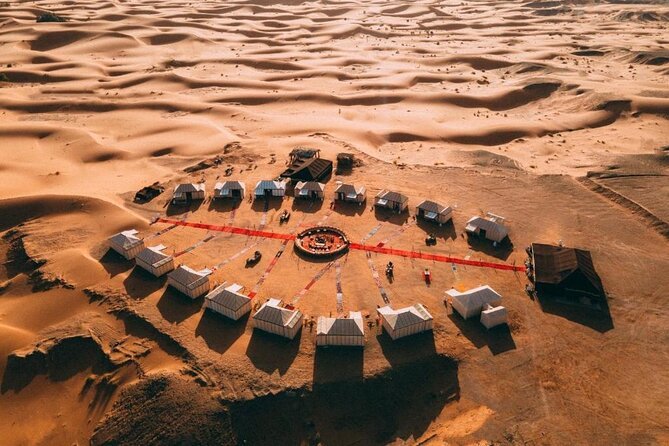
When traveling to the Merzouga Desert, ensuring the safety of your accommodations is paramount. The region offers a variety of lodging options, from desert camps to luxury hotels and riads, each with its own set of safety considerations.
Desert Camp Security Measures
Desert camps in Merzouga are designed to provide a unique and secure experience. Many camps have implemented robust security measures, including:
- 24/7 security personnel
- Secure fencing around the camp
- Safe storage for valuables
Hotel and Riad Safety Standards
Hotels and riads in the Merzouga region adhere to strict safety standards. These include:
| Safety Feature | Description |
|---|---|
| Fire Safety | Regular fire drills and equipped with fire extinguishers |
| Secure Entry | Controlled access with secure locks and CCTV |
Booking Reliable Accommodations
To ensure a safe stay, it’s crucial to book reliable accommodations. Look for places with good reviews and ratings. Consider contacting your accommodation directly to inquire about their safety measures.
Popular Activities and Their Safety Considerations
The Merzouga Desert offers a range of exciting activities, but safety should always be the top priority. Travelers can enjoy camel trekking, sandboarding, and stargazing, among other experiences, by being aware of the potential risks and taking necessary precautions.
Camel Trekking Safety Tips
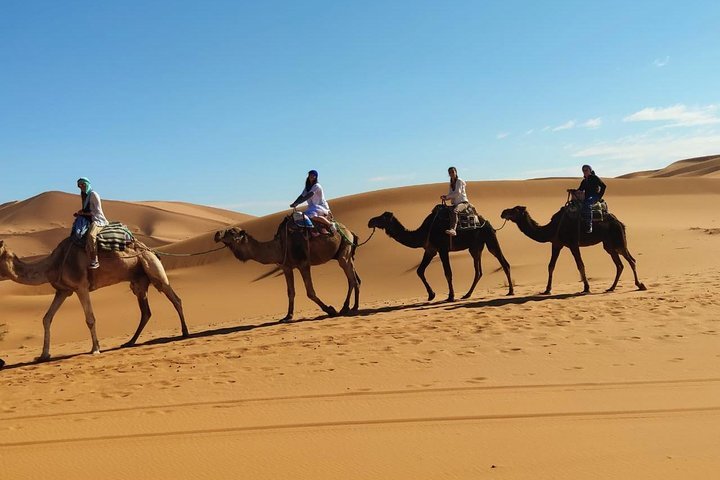
Camel trekking is a classic Merzouga experience. To ensure a safe trek, riders should be aware of their surroundings, wear appropriate clothing, and follow guide instructions. It’s also essential to choose a reputable tour operator with well-trained camels and experienced guides.
Sandboarding and Dune Adventures
Sandboarding down the Erg Chebbi dunes can be exhilarating. Safety measures include wearing protective gear, such as helmets and knee pads, and ensuring the board is in good condition. Travelers should also be mindful of their physical limitations and the steepness of the dunes.
Stargazing and Night Excursions
Merzouga’s clear skies make it an ideal spot for stargazing. For a safe night excursion, travelers should bring appropriate clothing for the cold desert night, stay with a guided group, and be aware of their surroundings to avoid accidents.
| Activity | Safety Considerations |
|---|---|
| Camel Trekking | Wear protective clothing, follow guide instructions, choose a reputable tour operator |
| Sandboarding | Wear helmets and knee pads, ensure board is in good condition, be mindful of physical limitations |
| Stargazing | Bring warm clothing, stay with a guided group, be aware of surroundings |
Traveler Experiences and Safety Testimonials
The allure of Merzouga Desert has captivated travelers from around the world, each with their own stories to tell. From solo adventurers to families and group tours, the diverse experiences in Merzouga offer valuable insights into safe travel practices.
Solo Traveler Perspectives
Solo travelers often have unique experiences in Merzouga, with many reporting a sense of freedom and adventure. One solo traveler shared, “Traveling alone in Merzouga was incredibly liberating. The desert camps were welcoming, and the locals were friendly and helpful.”
However, solo travelers also emphasize the importance of preparation and staying connected. “I made sure to keep my phone charged and had a local SIM card for emergencies. It was a great feeling knowing I could reach out if needed.”
Family Travel Safety
Families traveling to Merzouga often highlight the importance of choosing the right accommodations and activities suitable for all ages. “We opted for a desert camp that catered to families, and it made all the difference. The staff were accommodating, and the activities were enjoyable for both kids and adults.”
Some families also recommend planning for the extreme temperatures. “We traveled with our kids during the cooler months, which made the experience much more pleasant. We also packed accordingly, with plenty of water and sun protection.”
Group Tour Experiences
Group tours offer a different dynamic, with many travelers appreciating the guided experience. “Being part of a guided tour in Merzouga was fantastic. Our guide knew the terrain so well and shared fascinating stories about the history and culture of the area.”
Group tours also stress the importance of staying together and following instructions. “During a sandstorm, our guide led us to a safe area, and we waited it out together. It was a memorable experience, albeit a challenging one.”
| Traveler Type | Safety Tips | Recommended Activities |
|---|---|---|
| Solo Travelers | Stay connected, be prepared for emergencies | Camel trekking, stargazing |
| Families | Choose family-friendly accommodations, plan for extreme temperatures | Desert camps, dune adventures |
| Group Tours | Stay together, follow guide instructions | Guided tours, sandboarding |
Conclusion: Embracing the Merzouga Adventure Safely
Traveling to the Merzouga Desert can be a thrilling experience, with its majestic Erg Chebbi dunes and serene landscapes. As discussed throughout this article, safe travel to Merzouga requires careful planning, awareness of potential hazards, and preparation for the unique challenges of desert travel.
By understanding the current safety status, being mindful of natural hazards, and taking necessary health precautions, travelers can minimize risks and fully enjoy their Merzouga adventure. From choosing the right transportation and accommodations to participating in popular activities like camel trekking and sandboarding, every aspect of the journey can be both safe and enjoyable.
With the knowledge and tips provided, travelers can confidently explore the beauty of the Merzouga Desert, embracing the adventure while prioritizing desert travel safety. Whether you’re a solo traveler, with family, or part of a group tour, Merzouga has something to offer, making it a memorable destination for all.

No comment